TL;DR: The workplace kitchen was never a real food strategy, and relying on it as one is quietly costing your team in morale, productivity, and retention. Here's what this article breaks down:
- A stocked kitchen puts the meal-planning burden back on employees instead of removing it
- Limited food options fail teams with diverse dietary restrictions, food allergies, and cultural preferences
- The kitchen doesn't scale: one microwave and an overstuffed fridge aren't a benefit, they're a bottleneck
- Office catering works for events, but it's not built for the daily rhythm of feeding a team well
- Picnic's team lunch delivery gives every employee individual orders from 50+ restaurants, delivered to your floor with zero fees, zero tips, and zero hassle
There was a time when stocking the office kitchen with coffee, a few snacks, and the occasional catering tray was enough. Enough to show employees you cared. Enough to keep people fed. Enough to check the "food at work" box and move on.
That time has passed.
Today's workforce expects more, and the companies winning on culture, retention, and productivity are the ones who figured that out first. If your current food at work solution is a microwave, a mini fridge, and a drawer full of granola bars, it might be time to rethink your approach.
Bring the perfect lunch solution to your office.
Picnic will deliver lunch from 50+ restaurants without fees or tips, directly to your office — available in all major US cities

What the office kitchen was designed to do
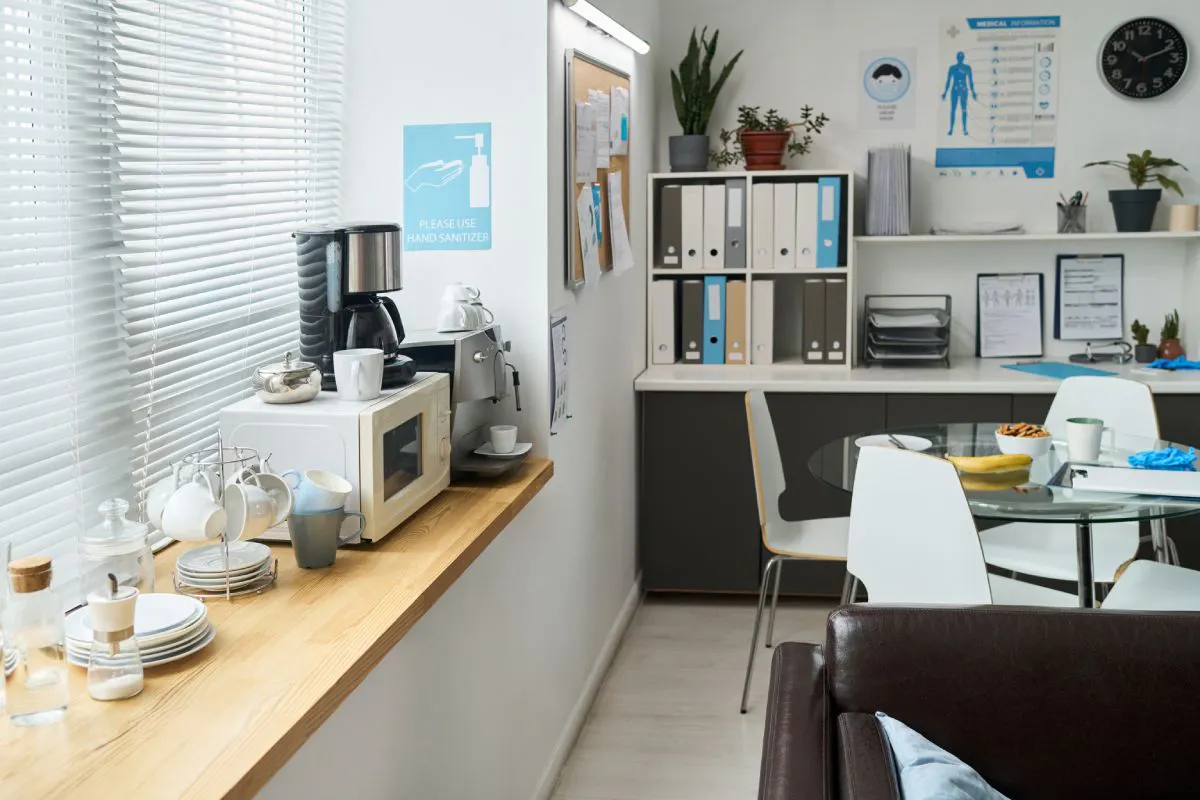
The workplace kitchen made sense for a different era of work. It gave employees a place to store a packed lunch, heat up leftovers, and grab a cup of coffee between meetings. For a team with simple needs and limited alternatives, it worked.
But the workplace kitchen was never really a food strategy. It was infrastructure. And infrastructure alone doesn't build culture, boost morale, or make anyone feel valued. It just keeps the lights on.
The problem is that many companies are still treating the workplace kitchen as their primary food offering, long after it stopped being sufficient.
Why the workplace kitchen falls short today
It puts the burden back on the employee
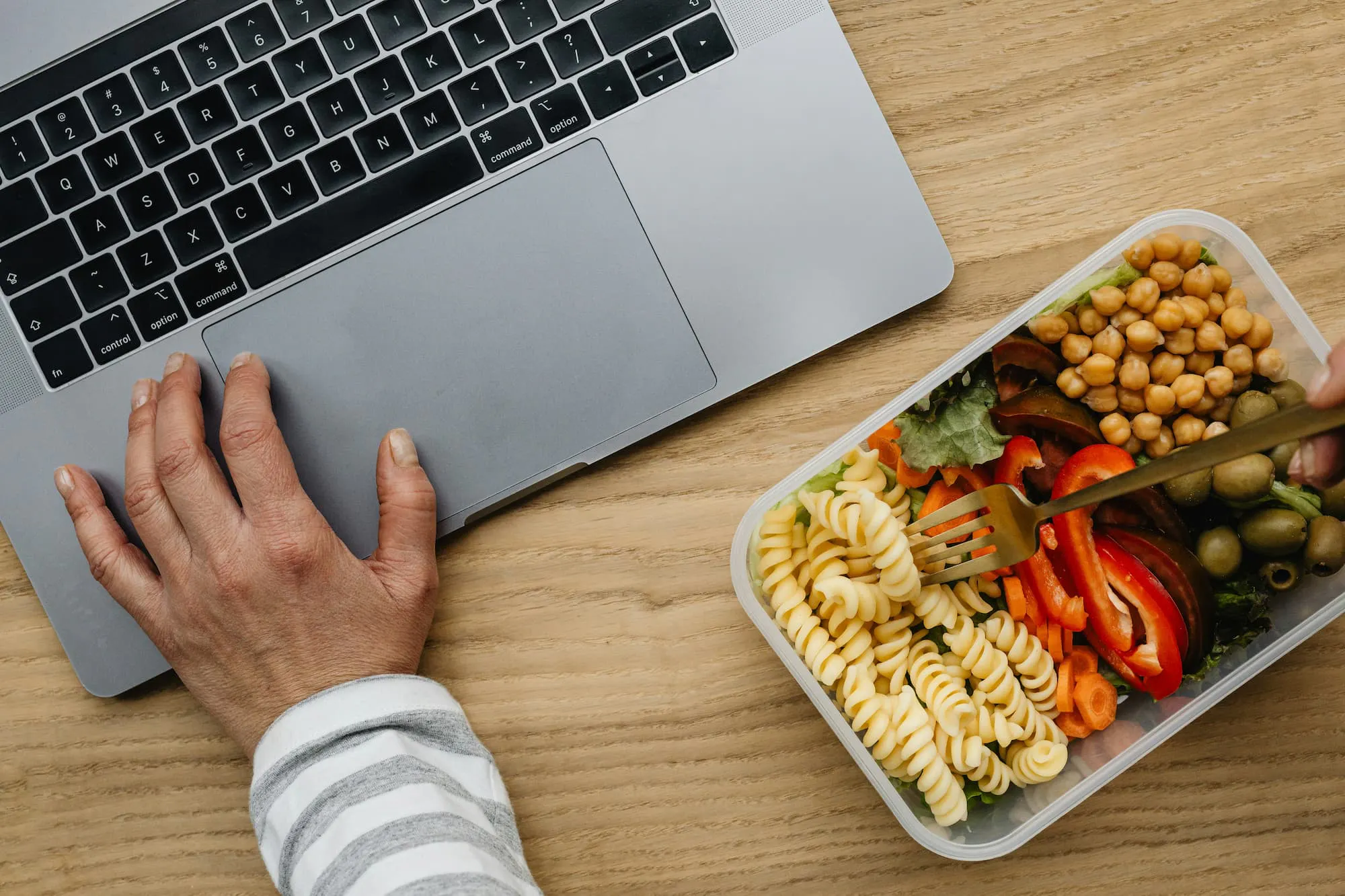
Even a fully stocked kitchen means someone still has to plan, shop, pack, and bring their own food. For employees who are already managing full workloads, long commutes, and busy personal lives, that adds stress and friction. An employee lunch program that genuinely supports your team removes that friction entirely rather than just providing a place to store whatever they brought from home.
It doesn't account for the way people actually eat now
Food options have evolved dramatically. People have more dietary preferences, more food allergies, and more cultural food traditions than any single kitchen can accommodate. A refrigerator stocked with string cheese and LaCroix isn't a meaningful benefit for someone who's vegan, gluten-free, or simply bored of the same rotation every week.
It can't scale with your team
As teams grow, the workplace kitchen becomes a bottleneck. The one microwave. The line for the coffee maker. The fridge that's perpetually overstuffed on Mondays and empty by Thursday. Office catering trays help for special occasions, but they don't solve the daily need, and they come with their own set of dietary landmines and logistical headaches.
It creates an unequal experience
Employees who live close to the office or have time to meal prep benefit from the kitchen in ways that others don't. Hybrid employees and those with longer commutes or family responsibilities at home are often left with the worst food options, or none at all. A real employee meal program works for your full team, not just the ones with the most convenient circumstances.
What boosting employee satisfaction actually looks like
Here's what the research consistently shows: when employees feel cared for in the small, daily ways, engagement goes up. Productivity goes up. Retention goes up.
Gallup's State of the Global Workplace report found that employee wellbeing is directly tied to engagement, and engagement is directly tied to business outcomes. Boosting employee morale doesn't require a massive overhaul. It often starts with something as simple and daily as lunch.
Food is personal. It's cultural. It's one of the most human things there is. When a company gets it right, employees notice. When a company gets it wrong, they notice that too.
Office food delivery vs office kitchen: what's the real difference?
The difference between office food delivery and an office kitchen isn't merely one of logistics. It's intention. A workplace kitchen says: here's a space, figure it out. Team lunch delivery says: we thought about you, we handled it, enjoy your meal.
That distinction lands differently with employees than most managers expect. The best employee meal programs remove the decision fatigue, eliminate the meal-planning burden, and make great food feel effortless and expected rather than something employees have to chase down themselves.
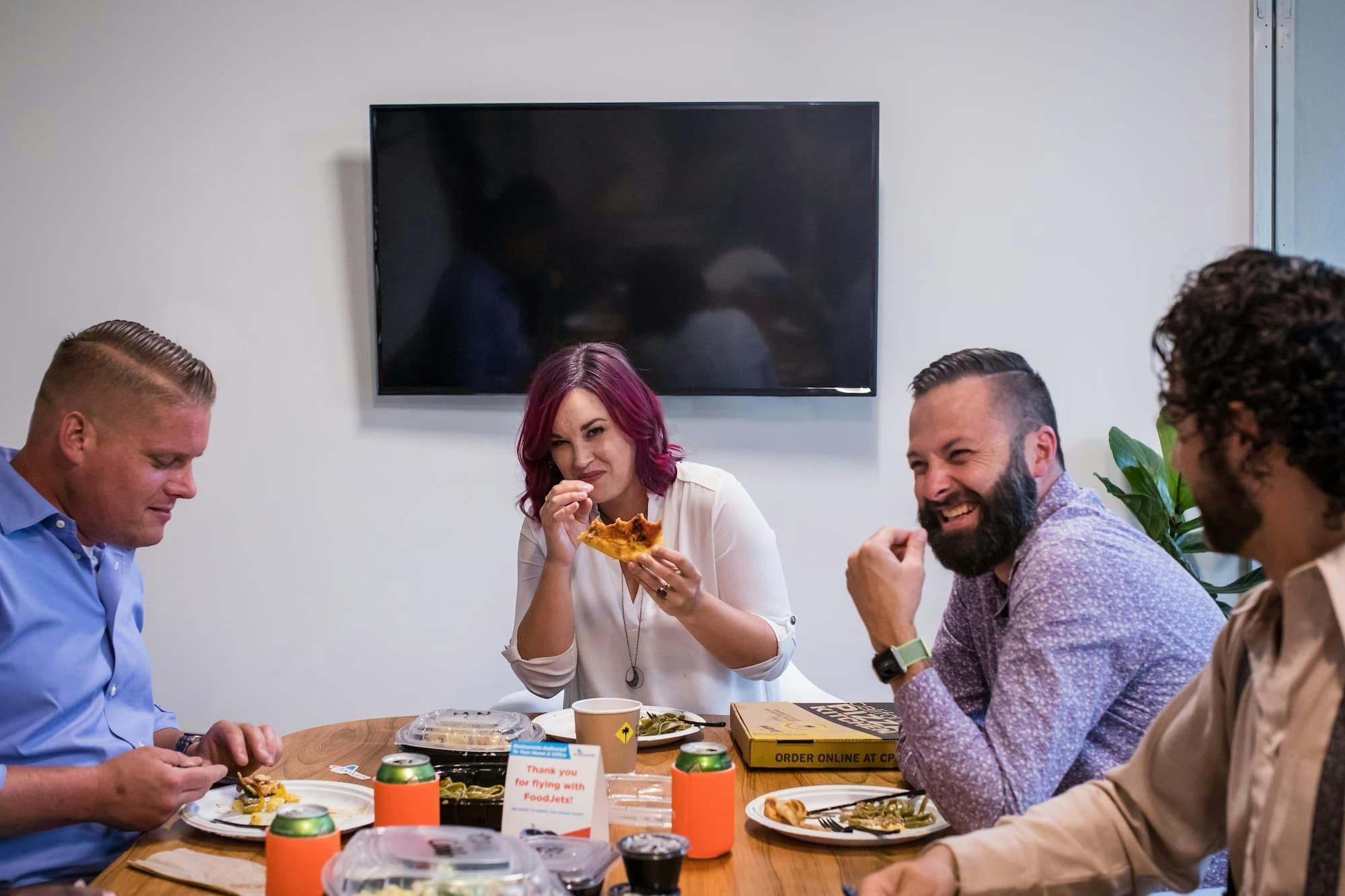
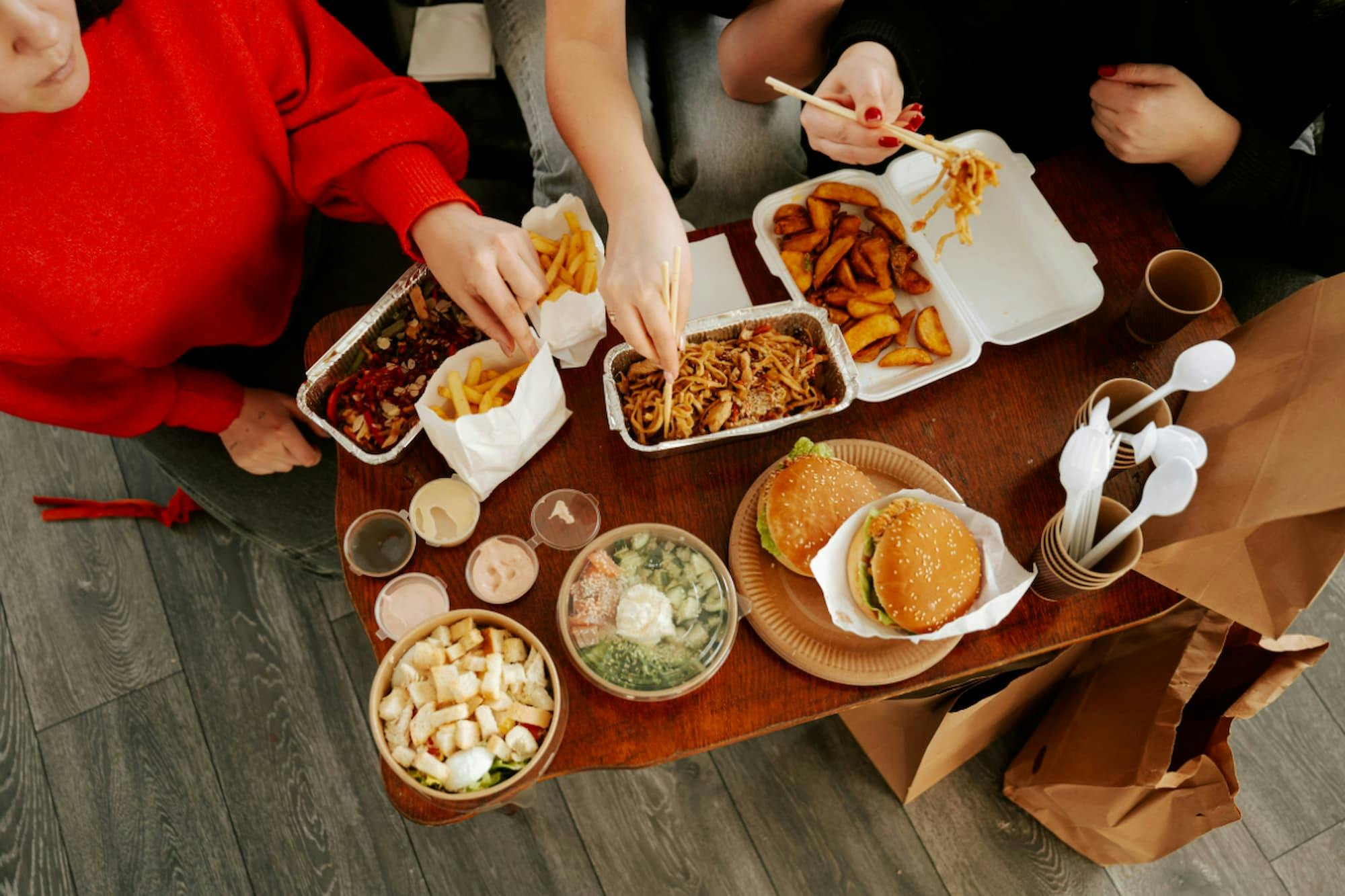
The best group orders don't require anyone to agree on one restaurant or one cuisine. They let each person order exactly what they want, from wherever they want, all arriving together at the same time. That's not just a better food experience. That's a better workday.
Where office catering fits in
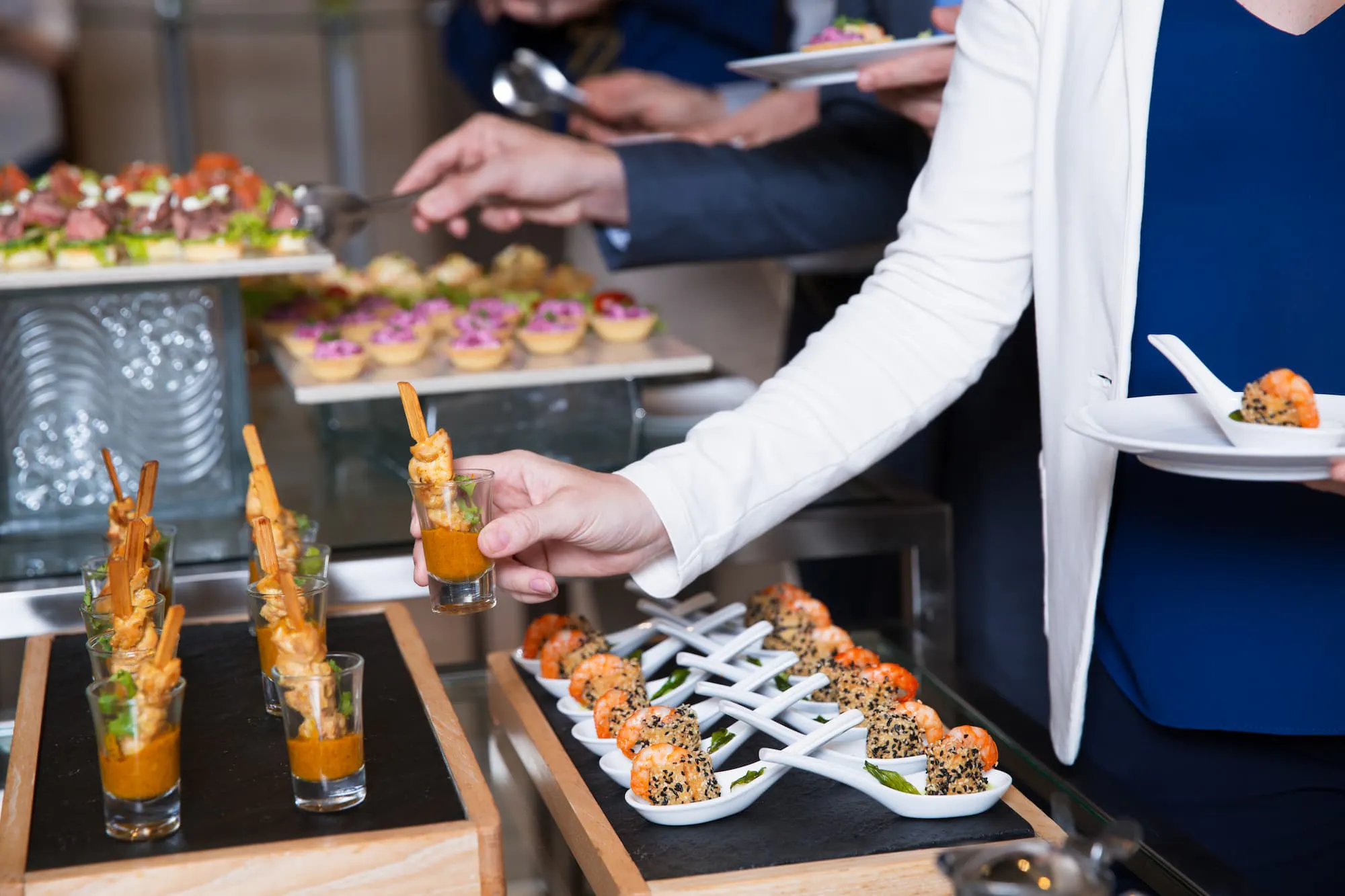
Office catering still has a place: team celebrations, client meetings, all-hands events, milestone lunches. For those moments, a well-executed catered spread does the job.
But catering is an event solution, not a daily one. For the everyday rhythm of feeding a team well, catering isn't built for it.
The companies getting this right are the ones pairing occasional office catering with a consistent, flexible daily delivery program that gives employees real restaurant options and real choice.
What a modern food at work solution looks like
It's not a vending machine upgrade. It's not a better coffee maker. It's not a bigger fridge.
A modern food at work solution gives every employee access to 50+ restaurant options with full menus, lets them order individually so no one has to compromise, and delivers everything to the office floor at once with no fees, no tips, and no logistics headaches for whoever's running point.
That's exactly what Picnic does.
With Picnic, your team gets team lunch delivery from the restaurants they actually want, with orders placed up to one hour before delivery and a consistent, trusted driver who knows your building. No markup on food. No tipping. No cold lobbies. Just great food, on time, every day.
It costs the company nothing to set up and everything to ignore.
The kitchen isn't going anywhere. But it can't be your whole strategy.
Keep the coffee. Keep the snacks. Keep the communal space where people decompress between meetings.
But if you're serious about building a team that feels supported, invested in, and worth showing up for every day, the kitchen alone isn't going to get you there.
Your team deserves a food program that actually works. Feed your team today.